Warsaw Uprising Museum: Top Historical Museum for Travelers
Explore the Heart of Courage: Visiting the Museum of the Warsaw Uprising
The Warsaw Uprising Museum stands as a tribute to the resilience of those who faced oppression. It provides a distinctive glimpse into the sacrifices endured during a pivotal moment in history. Visitors can engage with compelling exhibits showcasing firsthand narratives and communal recollections. Such a journey through history brings up important questions about freedom and the ongoing struggle for democratic values. What insights can we gather from these accounts, and how do they connect to our modern world?
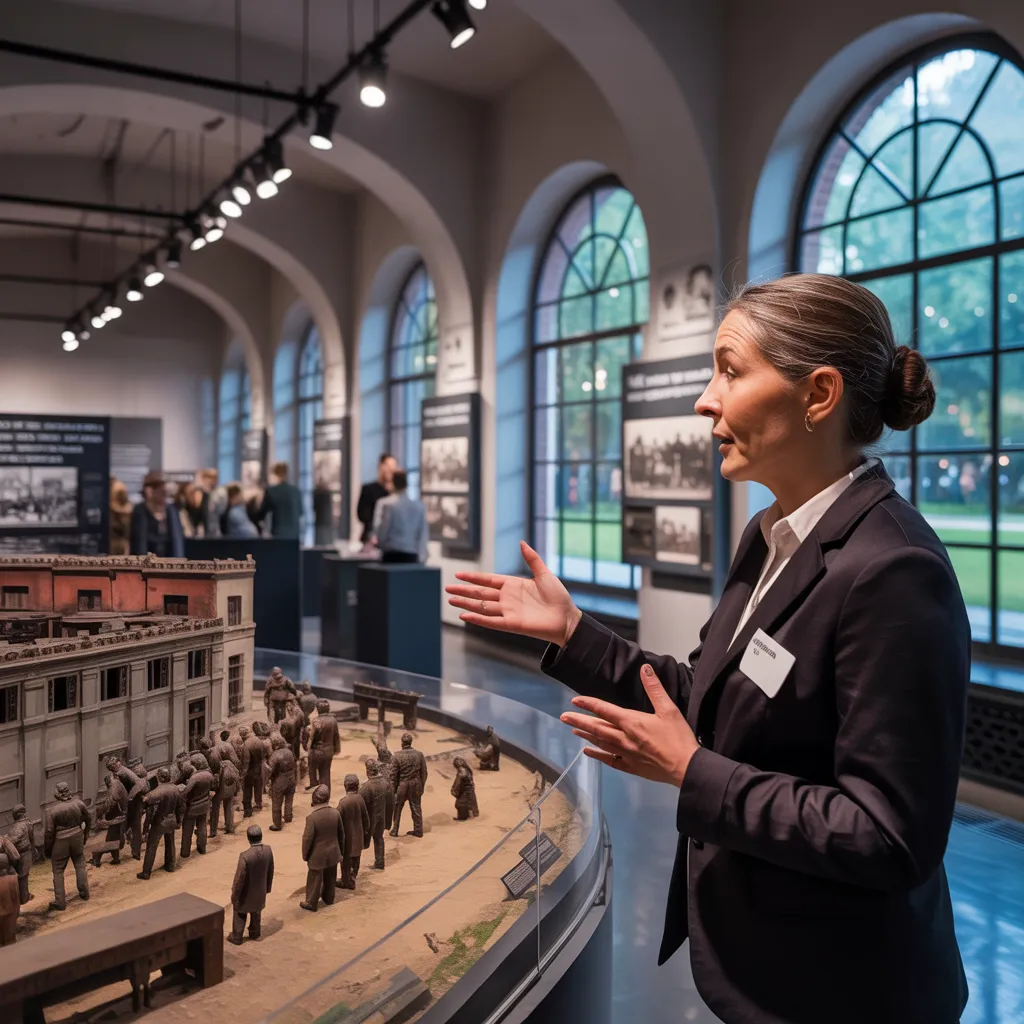
Why The Warsaw Uprising Continues To Matter Today
The importance of the historic Warsaw Uprising holds great weight in contemporary society, symbolizing strength against tyranny. This pivotal moment in history, which took place during WWII, underscores the valor of the people who rose up against authoritarian rule, making it a significant benchmark for contemporary battles against authoritarianism. The uprising serves as a testament to the sacrifices made for freedom, fostering a spirit of duty to preserve the principles of democracy in the present day.
During a period characterized by increasing nationalism and populist sentiment, the lessons of the Warsaw Uprising encourage watchfulness against the undermining of civil freedoms. It additionally nurtures a collective appreciation for the significance of joint endeavors in defending human rights. Furthermore, the uprising bridges generations, joining the stories of historical heroes with modern justice movements. Therefore, its enduring legacy motivates individuals and communities worldwide, underscoring the perpetual pursuit of freedom and equality.
Explore Key Exhibits and Personal Stories
While visiting the Warsaw Uprising Museum, guests are able to explore significant showcases that bring the harrowing experiences of those involved to life. Among the museum's holdings are documents, personal mementos, and photographs that depict the everyday hardships endured by civilians and fighters alike. Among the most touching exhibits is one featuring an assembly of handwritten letters from insurgents, revealing their hopes and fears during the uprising. A further exhibit illuminates the stories of families who were displaced, underlining the devastating human cost of war.
Moreover, the museum features uniforms and weaponry used during the uprising, shedding light on the dire circumstances. The account is enriched by recorded testimonies of survivors describing their encounters, bringing a heartfelt perspective to the events of history. These displays not only educate visitors about the revolt but also recognize the courage and determination of the individuals who defended their city, making the past resonate with contemporary audiences.
Essential Interactive Exhibits at The Museum
In what ways can interactive exhibits deepen knowledge of the Warsaw Uprising? At the Warsaw Uprising Museum, these exhibits offer a dynamic way to engage with history. A particularly notable exhibit enables visitors to explore a virtual map of the city as it appeared during the uprising, shedding light on the geographical obstacles encountered by insurgents. Another immersive experience simulates the sounds of battle, enveloping guests in the atmosphere of resistance.
In addition, the museum offers a moving interactive installation where attendees can share thoughts and messages, creating a deep relationship to the history being told. Digital touchscreens showcase personal testimonies from survivors, connecting the divide between history and today. Such interactive features not only teach but also evoke empathy, allowing the depth of the Warsaw Uprising to become more approachable and engaging. Through these innovative installations, the museum converts historical learning into a captivating experience that leaves a lasting impression with its audience.
Guidelines For Your Visit To The Museum
What key tips can improve a visit to the Warsaw Uprising Museum? To begin with, it is recommended to set aside at least two to three hours for a comprehensive exploration of the exhibits. Visitors should consider booking tickets online in advance to avoid long queues, especially during peak tourist seasons. Audio guides are available and recommended, as they provide valuable context and deeper insights into the exhibits.
Arriving early in the day can further enrich the visit, creating a more peaceful environment. Comfortable footwear is essential, as the museum features extensive walking and standing. In addition, attendees should consider looking at the museum's timetable for special events, workshops, or guided tours that might enhance their overall comprehension. Finally, engaging with the museum staff for recommendations can lead to discovering lesser-known artifacts and stories that showcase the strength of Warsaw's residents throughout the uprising.
How The Uprising Defines Contemporary Polish Culture
The Warsaw Uprising remains a pivotal event in Polish history, significantly impacting the collective identity of the nation. This remarkable 1944 rebellion against Nazi forces represents courage, resilience, and the struggle for freedom. The Uprising has become a key reference point in contemporary Polish national identity, cultivating feelings of solidarity among citizens who view it as a testament to their collective past and ideals.
In present-day Poland, the Uprising key resource is commemorated in numerous ways, from official gatherings to cultural celebrations, deepening a communal memory that influences national awareness. The courage displayed during the Uprising is honored through literature, cinema, and art, serving to inspire national pride.
In addition, the Uprising's profound impact sparks continuous discussions about historical memory, sacrifice, and democracy, impacting political discourse and civic engagement. As a result, the Warsaw Uprising stands as a pillar of the Polish national identity, representing the enduring pursuit of sovereignty and the enduring spirit of resistance.
Inspiring Future Generations Through The Museum
The Warsaw Uprising Memorial Museum plays an essential role in informing younger generations by means of its hands-on exhibitions, which immerse them in the key moments of the uprising. In maintaining these accounts, the institution not only commemorates what came before but also cultivates a feeling of duty in generations to come. This strategy cultivates a more profound appreciation of historical events and their continuing significance on Poland's cultural heritage.
Inspiring Through Interactive Exhibits
Although numerous museums seek to conserve history, the Warsaw Uprising Memorial Museum adopts a unique methodology by engaging visitors through interactive exhibits. These meticulously planned displays allow guests to fully experience the perspectives of those who survived the uprising. By utilizing multimedia displays, virtual reality environments, and interactive activities, the museum cultivates a profound appreciation of the historical backdrop and emotional gravity of the events. Visitors can explore authentic artifacts and engage in storytelling that makes history vivid and tangible, making it relatable to younger generations. This engaging framework not only informs but also cultivates compassion and analytical thought, guaranteeing that the insights of the uprising extend far beyond the museum walls, influencing the outlooks of tomorrow's leaders.
The Impact of Preserving Historical Narratives
Via its engaging presentations, the Warsaw Uprising Museum not only enlightens attendees but also serves a vital function in preserving historical narratives that resonate with generations to come. By highlighting personal stories, historical objects, and audiovisual exhibits, the museum fosters a more profound appreciation of the Uprising's historical impact. This involvement helps to ensure that the contributions made during this crucial chapter in history are not forgotten. The museum highlights the value of collective memory, resilience, and bravery, motivating young people to contemplate their own values and responsibilities. As guests form emotional bonds with the past, they are motivated to become engaged contributors in creating a just future. Therefore, the museum serves as a crucial channel for conveying these important stories through generations.
Individual Stories That Shed Light on History
Among the relics and exhibits of the Warsaw Uprising Museum, personal narratives rise as compelling testaments of endurance and valor. Every account, whether from a soldier or a civilian, provides a poignant glimpse into the human experience during one of history's darkest times. The museum showcases letters, diaries, and oral testimonies that convey the feelings of grief, perseverance, and resistance, allowing visitors to connect with the past on a deeply personal level.
These narratives highlight the nuances of endurance, illustrating how ordinary individuals became extraordinary heroes. They uncover the moral dilemmas experienced amid the uprising and the ties built in the face of adversity. By sharing these deeply personal stories, the museum safeguards history but also emphasizes the importance of personal perspectives in forming shared memory. Ultimately, these intimate narratives reshape the perception of the uprising, permitting it to echo in current dialogues concerning resistance and identity.
Frequently Asked Questions
What Are the Museum's Operating Hours and Admission Fees?
The museum operates every day from 10 AM to 6 PM, with extended hours on Thursdays until 8 PM. Ticket prices are 25 PLN per adult, with students and seniors benefiting from reduced rates of 15 PLN.
Are Guided Tours Available at the Warsaw Uprising Museum?
Yes, guided tours are offered at the Warsaw Uprising Museum. Such tours offer detailed information into the exhibits and historical context, deepening visitors' appreciation of the significance and events of the historical uprising. Advance reservations are strongly advised.
Is Taking Photos Permitted Inside the Museum?
Photography is generally not permitted inside the museum to preserve the exhibits and respect the solemnity of the space. Attendees are kindly asked to appreciate the experience without the use of cameras, concentrating on the profound historical value of the displays.
Are There Any Gift Shops or Cafés Located On-Site?
The museum includes both a souvenir shop and a café within the facility. Visitors can purchase souvenirs and enjoy refreshments, enhancing their overall visit while exploring the historical significance of the museum's exhibitions.
Are There Any Special Events or Exhibitions Coming Up?
The museum frequently organizes unique events and exhibits. Upcoming programs feature presentations, film showings, and hands-on exhibits, offering guests a more profound understanding of the historical significance of the Warsaw Uprising and its enduring legacy.